
Psalm 109
The book of Psalms is a collection of 150 divinely inspired, inerrant, and infallible songs, which we are told are the only songs suitable for God’s praise. Because of this, you best expect that there’s a psalm for nearly every mood. One particular mood showcased is anger.
In the Psalms, anger is often expressed through “imprecatory psalms,” where the psalmist directly expresses their anger and frustration towards their enemies, often calling for divine justice against them. These psalms are characterised by passionate pleas to God to punish those who have wronged them, showcasing a raw and sometimes intense expression of righteous anger.
One of the most well-known imprecatory psalms is the 109th Psalm. Psalm 109 is bookended with praise for God. In v1, David cries out to God, calling him “God of my praise,” and in v30, David proclaims that he will praise the Lord and give him thanks.
However, to the untrained ear, the rest of this psalm seems to raise suspicions as to the intent, legitimacy, or morality of David’s words of anger. Igor Stravinsky, Frank Zappa, and Leonard Bernstein have all been quoted saying something along the lines of: “The start and the end of a song are the most important because everyone forgets the middle anyway,” Sadly, a large portion of Christians today seem to legitimise this statement when they read this particular song.

There is much more media about the start and end of Psalm 109 than the rest of the psalm put together, with the exception of V8: “May his days be few; may another take his office!” which is printed on T-shirts, the caption “Pray for Trump”.
The church has fallen into a habit of writing anger off as an objectively bad feeling, ignoring how Jesus Christ himself showed a few instances of being angry in the Gospels, such as the well-known story of Jesus in the temple courts, making a whip-out of cords, overturning tables, and scattering coins. (John 2:15)
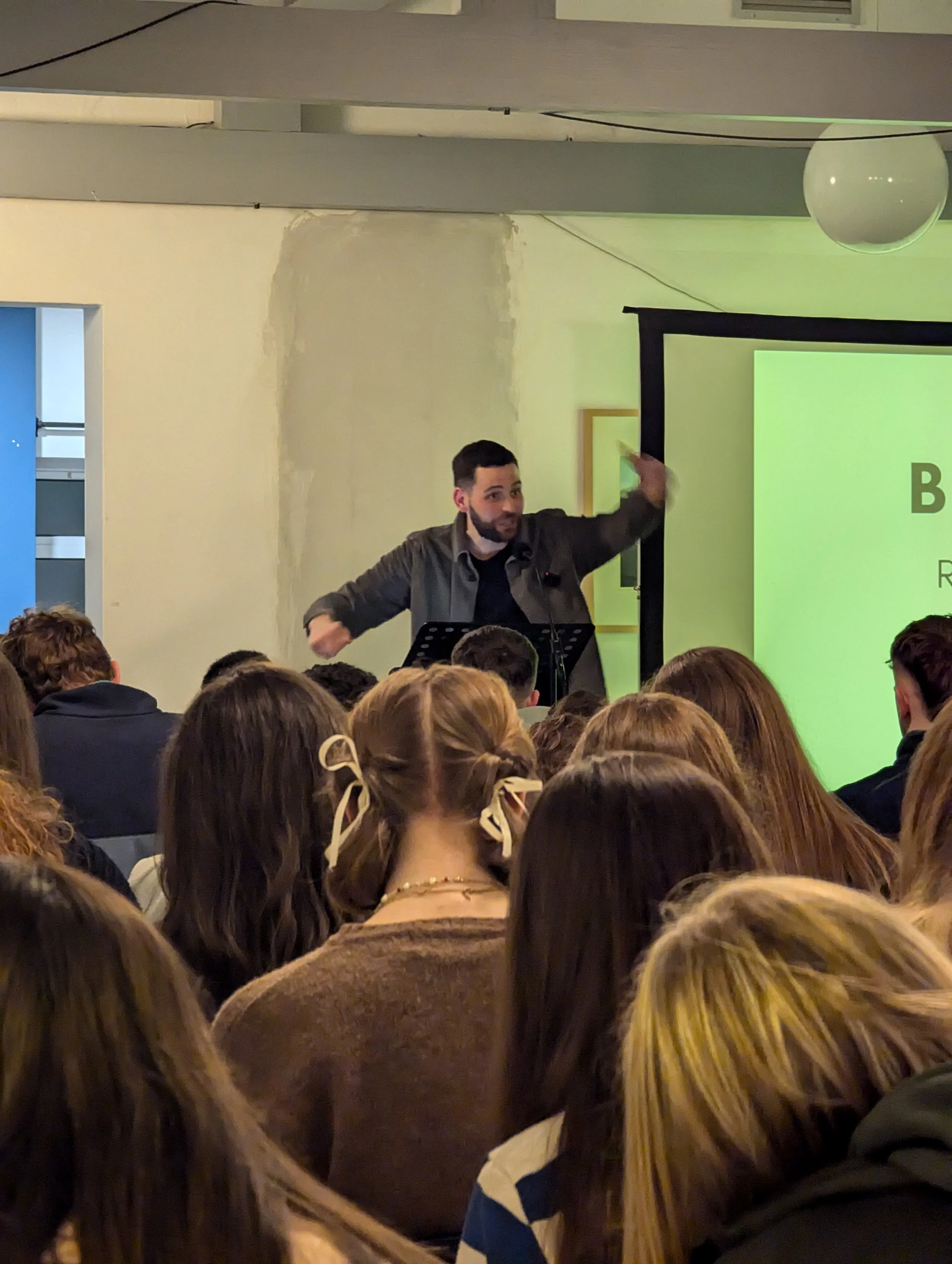
At Senior Camp Reunion 2025, John T. Graham explained that one of the good and admirable things about the church in Ephesus is their hatred for the Nicolaitans, a heretical offshoot of the Church (Revelation 2:6). The Nicolaitans were not simply a group of Christians who took an incorrect view of worship or baptism. No, they were people who embraced a doctrine of lawlessness, advocating for sexual immorality and the consumption of food sacrificed to idols. Therefore, the Ephesians had just cause to hate the Nicolatians and oppose their every move.
Even some great theologians have fallen into the trap of labelling Psalm 109 as something we should never sing or pray. C.S. Lewis said this:
“We must not either try to explain them away or to yield for one moment to the idea that, because it comes in the Bible, all this vindictive hatred must somehow be good and pious. We must face both facts squarely. The hatred is there – festering, gloating, undisguised – and also, we should be wicked if we in any way condoned or approved it.”
C.S. Lewis wrongly tried to argue that these words were left in to show that David’s anger was imperfect, just like his affair with Bathsheba and the murder of Uriah.
Why then would we, as believers, be commanded to sing these words to God’s praise?
This disregard of Scripture is a byproduct of churches picking and choosing which chapters or verses we should use in worship. However, Paul assures us that: “All Scripture is breathed out by God and profitable for teaching, for reproof, for correction, and for training in righteousness” (2 Timothy 3:16).
While it may seem that David is expressing personal vengeance, it is important to realise that he is condemning sin. In Jewish thought, there is no sharp distinction between the sin and the sinner. Martin Luther, interpreting the imprecations as wrath against those who oppose the Gospel, says:
“To understand this, you must distinguish between persons and issues. Where God and issues are involved, there is neither patience nor blessings but only zeal, wrath, vengeance, and cursing. When the wicked persecute the Gospel, for example, this strikes at God and at His cause. We are not to bless them or wish them any luck when they do this. Otherwise, no one could preach or write even against heresy because that is impossible without cursing. Anyone who preaches against heresy wishes that it be destroyed and tries as hard as possible to destroy it. In short, it is permissible to curse on account of the Word of God; but it is wrong to curse on your own account for personal vengeance or some other personal end.”
Think about something that angers you; maybe it’s traffic wardens or an annoying schoolmate/coworker. In all likelihood, your hatred of them does not justify pleading with God to “Make his children fatherless and his wife a widow” (V9). That would be a good example of personal vengeance, which Paul condemns when writing to the Romans, saying: “Beloved, never avenge yourselves, but leave it to the wrath of God, for it is written, “Vengeance is mine, I will repay, says the Lord.”” (Romans 12:19) Paul asserted quite clearly that leaving it to the wrath of God is the righteous alternative to personal vengeance.
So, every time you sing this psalm, don’t be troubled by the anger and zeal of these words; instead, understand that they are righteous cries for God’s perfect justice to be carried out.